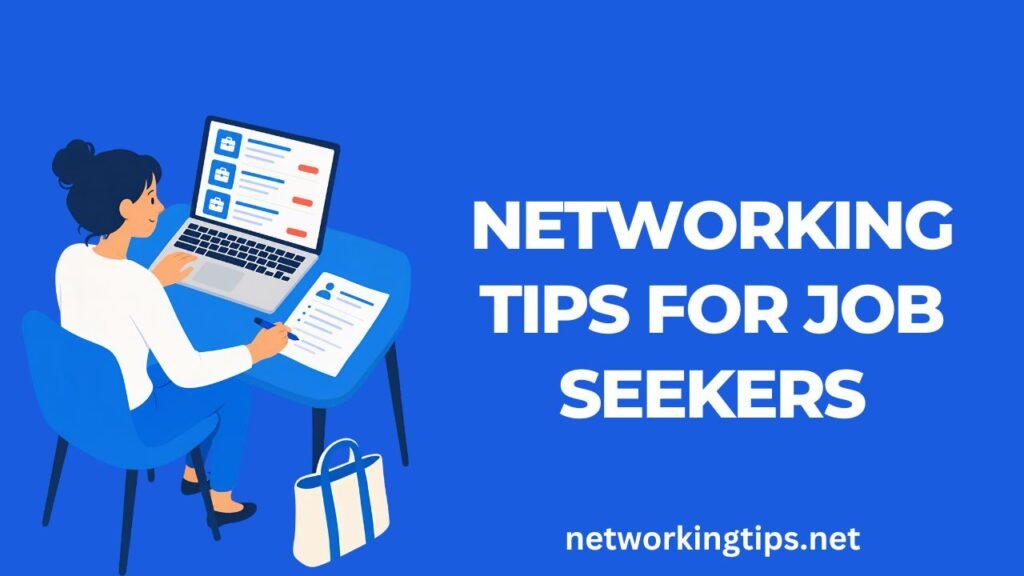
Searching for a job can be challenging, especially when you are sending applications without hearing back or struggling to find opportunities that match your skills. Networking can help you learn about industries, connect with professionals, and discover opportunities that may not be obvious from job listings alone.
Effective networking does not mean asking every person you meet for a job. It means building professional relationships, learning from other people’s experiences, and making it easier for people to understand your interests and qualifications.
Whether you are looking for your first job, changing careers, returning to work, or seeking a better opportunity in your current field, these networking tips for job seekers can help you approach professional connections with greater confidence.
For broader advice on building relationships at work and beyond, explore our Professional Networking Tips guide.
Why Is Networking Important for Job Seekers?
Networking can support your job search in several ways. It helps you learn about employers, understand industry expectations, and develop relationships with people who may share useful information or opportunities.
Discover Opportunities
People in your professional network may tell you about job openings, hiring plans, internships, or companies worth exploring. Not every opportunity is advertised widely, so conversations can help you learn where to focus your search.
Learn About Companies and Industries
Talking with employees can give you a better understanding of a company’s culture, responsibilities, and expectations. This information can help you decide whether a role is suitable for you.
Get Career Advice
Experienced professionals may offer suggestions about skills to develop, roles to consider, or ways to present your experience more clearly.
Build Professional Visibility
When people understand your skills and career interests, they may be better able to think of you when a relevant opportunity comes up. This does not guarantee a referral or job offer, but it can help you become more connected.
15 Networking Tips for Job Seekers
1. Define the Type of Job You Want
Before reaching out to people, clarify the kind of role, industry, and work environment you are interested in.
You do not need to know your entire career plan. Start with a general direction, such as marketing, software development, healthcare, finance, or customer service.
A clear goal makes it easier to identify relevant people and ask focused questions. If you are considering several career paths, networking conversations can help you compare them.
2. Start With Your Existing Network
Your first professional connections may already be around you.
Consider reaching out to:
- Former colleagues and managers
- Classmates and university alumni
- Professors and instructors
- Previous clients or collaborators
- Friends who work in relevant industries
- Members of professional organizations
Let people know what type of opportunity you are exploring. You do not have to ask for a job immediately; a conversation about their work or industry can be a useful starting point.
3. Update Your LinkedIn Profile
Many professionals check LinkedIn profiles before accepting a connection request or replying to a message.
Make sure your profile clearly communicates your background and interests. Include a professional photo if you are comfortable using one, an accurate headline, relevant experience, skills, education, and projects.
If you are changing careers, explain transferable skills and relevant training rather than relying only on previous job titles.
For more platform-specific advice, read our LinkedIn Networking Tips guide.
4. Connect With People in Your Target Industry
Identify professionals who work in the field or organizations that interest you.
You might connect with people who have roles similar to the one you want, employees at target companies, industry specialists, or professionals who have recently entered your chosen field.
Read their profiles and learn about their work before reaching out. A relevant reason for connecting makes your message more meaningful than a generic request.
5. Personalize Your Outreach Messages
Avoid sending the same message to dozens of people.
A good first message should be short, respectful, and specific about why you are contacting the person.
For example:
“Hi Sarah, I’m exploring opportunities in digital marketing and came across your experience in the industry. I’d be glad to connect and learn more about your work.”
If you met the person at an event or share a professional connection, mention that context.
6. Ask for Advice Before Asking for a Job
A stranger may not be comfortable helping with a job request immediately. However, many professionals may be willing to share a brief insight about their career or industry.
Ask specific questions, such as:
- What skills are most useful for this role?
- What should someone entering this industry learn first?
- What do you find most challenging about this work?
- What would you recommend researching before applying?
Respect their time and accept that some people may not be available to respond.
7. Talk to Recruiters Professionally
Recruiters can be useful contacts when their work matches your experience and target roles.
Before contacting a recruiter, review the positions and industries they handle. Make it easy for them to understand your background, relevant skills, location or work preferences, and the types of roles you are seeking.
For example:
“Hi James, I’m a customer support professional exploring new opportunities in SaaS companies. I have experience supporting customers and managing escalations, and I’d be happy to connect if my background aligns with roles you recruit for.”
Be honest about your qualifications and avoid repeatedly messaging someone who has not responded.
8. Attend Relevant Networking Events
Career fairs, professional meetups, conferences, workshops, and industry events can help you meet people beyond your immediate circle.
Prepare a short introduction and a few questions before attending. Focus on learning about the people you meet rather than handing out your résumé to everyone.
If a conversation goes well, ask whether they would be comfortable staying connected on LinkedIn.
See our Networking Event Tips guide for practical advice on preparing, starting conversations, and following up.
9. Join Professional Communities
Industry groups, professional associations, alumni networks, and online communities can help you meet people who share your interests.
Participate by asking thoughtful questions, sharing relevant information, and contributing to discussions when you can.
Do not join communities only to promote yourself or repeatedly ask members for referrals. Consistent, helpful participation makes it easier to build genuine relationships.
10. Reconnect With Former Colleagues
People who have worked with you may already understand your strengths, work habits, and professional experience.
A simple message can reopen the conversation:
“Hi Daniel, I hope you’re doing well. I’m currently exploring new opportunities in project coordination and wanted to reconnect. How have things been going with you?”
If the conversation develops naturally, you can mention the kind of role you are seeking and ask whether they have any advice.
11. Prepare a Short Career Introduction
Prepare a brief explanation of your professional background and current goals.
A simple structure is:
Your background + your strengths + what you are exploring
For example:
“I’m a recent business graduate with experience in student projects and customer service. I’m exploring entry-level roles in sales and account management.”
Keep your introduction accurate and natural. You do not need to memorize a long speech or explain your entire employment history.
12. Ask for Informational Interviews
An informational interview is a short conversation in which you ask someone about their work, career path, or industry. It is not a job interview, and it should not be presented as one.
You could ask for 15 minutes to discuss how they entered the field or what skills they find useful.
Make the request easy to decline, arrive prepared, and respect the agreed time. Send a thank-you message afterward if they agree to speak with you.
13. Follow Up After Conversations
Following up helps maintain a professional connection after the initial conversation.
Send a short message that refers to something you discussed.
For example:
“Hi Emily, thank you for sharing your advice about project management careers. Your suggestion to gain experience with planning tools was helpful, and I’ll look into it. I appreciate your time.”
If someone shares a resource or offers to introduce you to a contact, follow through on your part of the conversation.
14. Offer Value Where You Can
Networking is not just about receiving assistance.
You might share a relevant article, thank someone for a useful resource, contribute to a professional discussion, or introduce two people who have a legitimate reason to connect.
You do not need to pretend to be an expert or offer something you cannot deliver. Small, genuine contributions can help create a more balanced professional relationship.
15. Stay Consistent During Your Job Search
Do not wait until you feel desperate about your job search to start networking.
Set a manageable routine. For example, you could contact a few relevant professionals each week, participate in one industry discussion, attend an event when practical, and follow up with people you have already met.
Balance networking with other job-search activities, including researching roles, tailoring applications, practicing interviews, and developing relevant skills.
How to Network When You Have No Experience
If you are a recent graduate or applying for your first job, you may worry that you have little to offer. However, you can still discuss your education, projects, volunteer work, transferable skills, and professional interests.
Try these approaches:
- Connect with alumni who studied a similar subject.
- Ask professionals about their career journeys.
- Discuss academic or personal projects relevant to your target role.
- Attend career fairs and entry-level industry events.
- Identify skills you are developing and be honest about your current experience.
- Ask specific questions instead of requesting a job immediately.
You do not need to exaggerate your background to have a useful professional conversation.
How to Ask Someone for a Job Referral
A referral request is more appropriate when the person knows your background or you have established some professional context.
Before asking, research the role and make sure your experience is relevant. If you have a relationship with the person, explain why the position interests you and ask whether they would feel comfortable referring you.
For example:
“Hi Alex, I noticed an opening for a junior analyst at your company, and the role looks relevant to my experience in data analysis. If you feel comfortable and think my background may be a fit, would you be willing to share any advice about the application process or consider referring me? No worries if you’re unable to.”
Do not assume someone owes you a referral. They should have the freedom to decline without pressure.
How to Network Online as a Job Seeker
Online networking makes it easier to reach professionals beyond your location.
You can use LinkedIn and relevant professional communities to:
- Research target companies and roles.
- Connect with employees in your target industry.
- Follow hiring and industry updates.
- Participate in relevant discussions.
- Ask focused career questions.
- Maintain relationships after events.
Keep messages personalized and avoid sending repeated requests. Online networking works best when it supports genuine conversations rather than becoming a mass-messaging exercise.
Explore our Online & Virtual Networking Tips guide for more advice.
Common Networking Mistakes Job Seekers Should Avoid
Asking for a Job in Every Conversation
Not every contact can offer employment. Focus on learning, building relationships, and understanding your industry.
Sending Generic Messages
People are more likely to understand your reason for contacting them when you include relevant context.
Contacting People Only When You Need Help
Maintain professional relationships throughout your career, not only during an urgent job search.
Exaggerating Your Experience
Be accurate about your skills and qualifications. Trust is difficult to build if your claims do not match your actual experience.
Following Up Too Aggressively
One polite follow-up may be reasonable when appropriate, but repeated messages can put pressure on the other person. Respect their time and decision not to respond.
Ignoring Applications and Skill Development
Networking complements a job search; it does not replace preparing good applications, developing relevant skills, or practicing for interviews.
A Simple Networking Plan for Job Seekers
If you want a practical way to begin, try this four-week plan.
Week 1: Get Ready
- Define your target roles and industries.
- Update your résumé and LinkedIn profile.
- Make a list of people and companies relevant to your goals.
Week 2: Start Conversations
- Reconnect with a few existing contacts.
- Send personalized messages to relevant professionals.
- Research potential employers and their work.
Week 3: Participate
- Attend a relevant event or join an industry discussion.
- Ask thoughtful questions.
- Follow up with people you have spoken with.
Week 4: Review and Improve
- Review which conversations were useful.
- Thank people who offered advice.
- Continue developing the skills required for your target roles.
- Adjust your networking approach based on what you learned.
Adapt this plan to your schedule and circumstances. The goal is steady progress, not a specific number of messages or connections.
Frequently Asked Questions
What are the best networking tips for job seekers?
Start by identifying your target roles, reconnecting with existing contacts, building a professional online presence, connecting with relevant people, asking thoughtful questions, and following up respectfully.
Can networking help me find a job?
Networking can help you learn about openings, understand employers, get career advice, and build professional relationships. However, it does not guarantee a job, interview, or referral.
How do I network if I am unemployed?
You can start with former colleagues, alumni, professional groups, recruiters, and people in your target industry. Be clear about the roles you are exploring, but avoid making every conversation a request for employment.
Should I tell people I am looking for a job?
Yes, when it is relevant and you feel comfortable doing so. Clearly explain the types of roles you are interested in and make it easy for people to share advice or information if they choose.
How often should I follow up with a professional contact?
Follow up when you have a genuine reason, such as thanking someone for advice or continuing a previous conversation. Avoid repeated messages when someone has not responded.
Is LinkedIn enough for job-search networking?
LinkedIn can be useful, but it should not be your only approach. Depending on your industry, in-person events, alumni networks, professional associations, former colleagues, and community connections may also be helpful.
Final Takeaway
Networking can make your job search more informed and help you build relationships with people who understand your target industry. You do not need to contact everyone or ask every connection for a referral.
Start with people you know, connect with relevant professionals, ask thoughtful questions, communicate your goals clearly, and follow up respectfully. Continue applying for suitable roles and improving your skills while you build your network.
For more strategies, explore our Professional Networking Tips and LinkedIn Networking Tips guides.