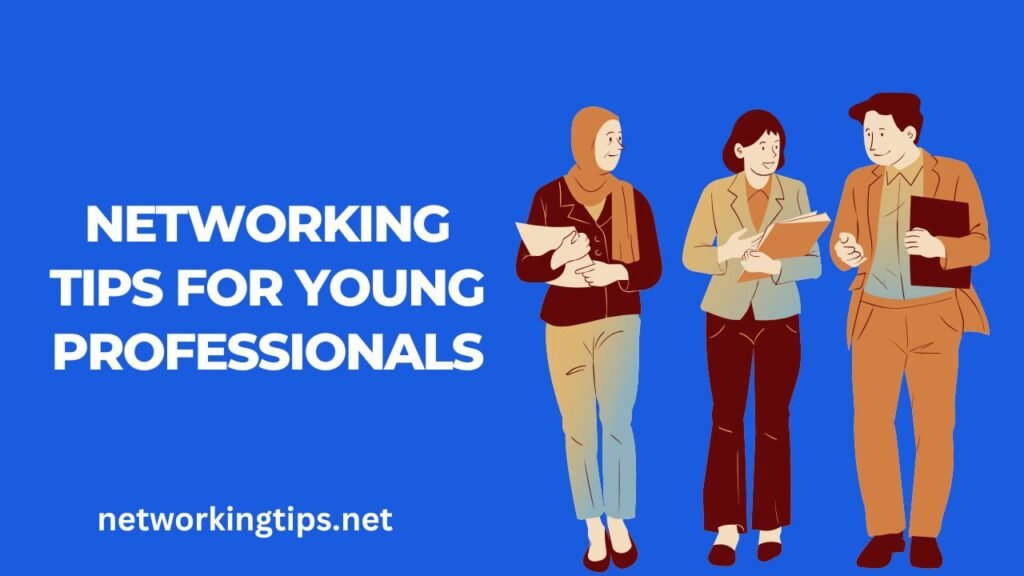
Starting your professional career is an exciting stage, but it can also bring new challenges. You may be learning how your industry works, adjusting to workplace expectations, searching for better opportunities, or trying to meet people who can help you grow.
Networking can make this process easier by helping you build relationships with experienced professionals, colleagues, mentors, and people who share your career interests.
However, networking is not just about collecting contacts or asking people for job referrals. It is about developing genuine professional relationships, learning from others, and staying connected over time.
These practical networking tips for young professionals will help you build confidence, expand your professional circle, and create opportunities for long-term career growth.
Why Is Networking Important for Young Professionals?
Early in your career, you may not have years of experience or an extensive list of professional contacts. Networking can help you learn about your industry, understand different career paths, and discover opportunities that may not be widely advertised.
A strong professional network can help you:
- Learn from people with more experience in your field.
- Find mentors who can offer career guidance.
- Discover job openings and professional development opportunities.
- Improve your communication and relationship-building skills.
- Meet people who share your professional interests.
- Learn about industry trends and workplace expectations.
- Develop relationships that may become valuable throughout your career.
Networking does not guarantee a job or promotion. Its main value is that it helps you build relationships, exchange knowledge, and become more connected to your professional community.
For a broader foundation, read our guide to professional networking tips.
15 Practical Networking Tips for Young Professionals
1. Start with People You Already Know
You do not need to begin networking with strangers. Your existing contacts may include classmates, former teachers, colleagues, internship supervisors, friends, and alumni from your educational institution.
Reconnect with people whose professional interests overlap with yours. Ask about their current work, share what you are learning, and explore opportunities to stay in touch.
Existing relationships can provide a comfortable starting point while you gradually expand your network.
2. Set Clear Career Networking Goals
Before attending events or sending connection requests, decide what you want to achieve.
Your goal might be to learn more about your industry, meet professionals in a particular role, find a mentor, explore a career change, or understand which skills employers value.
Specific goals help you choose relevant networking activities and make your conversations more focused.
You do not need to ask every new contact for a job. Learning from someone else’s experience can be a valuable outcome on its own.
3. Create a Professional LinkedIn Profile
LinkedIn can help young professionals present their experience, skills, interests, and career goals in one place.
Use a clear profile photo if you are comfortable doing so, write a headline that describes your professional direction, and complete the sections relevant to your background.
Include internships, projects, volunteer work, certifications, and transferable skills when they are relevant. You do not need an extensive work history to create a useful profile.
Once your profile is ready, connect with colleagues, classmates, alumni, and professionals in your field. Our LinkedIn networking tips guide offers more ways to approach these connections.
4. Prepare a Short Professional Introduction
Being able to introduce yourself clearly can make networking conversations easier.
A simple introduction should explain who you are, what you do or are learning, and what interests you professionally.
For example:
“Hi, I’m [Your Name]. I recently started working in digital marketing, and I’m interested in learning more about content strategy. What area do you work in?”
Keep your introduction natural and brief. You can adapt it depending on whether you are speaking to a recruiter, a colleague, a business owner, or someone you meet at an industry event.
5. Ask Questions and Listen Carefully
Networking should be a conversation rather than a presentation about yourself. Show genuine interest in the other person’s experience and ask questions that encourage them to share useful insights.
You might ask:
- How did you get started in this industry?
- What skills have been most useful in your career?
- What do you enjoy most about your current role?
- What would you recommend to someone at the beginning of their career?
- Are there any professional resources you find particularly helpful?
Listen to the answers and ask relevant follow-up questions. Sharing your own experiences and opinions also helps keep the conversation balanced.
6. Build Relationships with Colleagues
Your professional network can begin in your current workplace. Colleagues from other teams may have different expertise, career experiences, and perspectives that can help you understand the organization better.
Take opportunities to collaborate, participate in appropriate workplace discussions, and learn about what other teams do.
Be respectful of everyone’s time and responsibilities. Networking at work should complement your job, not interfere with your responsibilities or create unnecessary pressure on colleagues.
7. Find a Mentor
A mentor can help you think through career decisions, develop professional skills, and understand the expectations of your industry.
Look for someone whose experience relates to your goals. You might meet a potential mentor through work, an alumni community, a professional association, or an industry event.
Start by asking a specific question or discussing a shared professional interest. If the relationship develops naturally, you can ask whether they would be open to an occasional career conversation.
Respect their time, prepare questions in advance, and follow through on advice you decide to use.
8. Attend Professional Events and Workshops
Industry conferences, workshops, career fairs, meetups, and professional association events can introduce you to people outside your immediate workplace.
Choose events that match your interests and career goals. Review the agenda beforehand and prepare a few questions so you have natural conversation starters.
Set a manageable goal, such as speaking with two people or learning about one new career path.
For additional guidance on preparing for events and starting conversations, explore our networking event tips.
9. Stay in Touch with University and College Connections
Former classmates and alumni may pursue careers in different organizations, industries, and locations. Maintaining these relationships can help you learn about different professional paths and exchange useful information.
Participate in alumni activities when practical, congratulate former classmates on meaningful achievements, and reconnect when you have a genuine reason to do so.
Avoid treating every former classmate as a potential referral source. Build relationships around shared experiences, professional interests, and mutual respect.
10. Develop Your Communication Skills
Effective networking depends on more than knowing what to say. It also involves listening, explaining ideas clearly, asking thoughtful questions, and respecting different perspectives.
Practice introducing yourself, discussing your work, and explaining what you are learning. You can build these skills through workplace conversations, presentations, group projects, and professional events.
If you feel nervous, begin with shorter one-to-one conversations before attending larger gatherings. Confidence often improves through practice.
11. Offer Help When You Can
Networking becomes more meaningful when both people can contribute to the relationship.
You might share a relevant article, recommend a useful resource, provide feedback when asked, or introduce two people who have a clear professional interest in common.
You do not need to have seniority or extensive experience to be helpful. Even sharing something you recently learned can contribute to a useful exchange.
Only offer help that is appropriate and manageable, and avoid making promises you cannot keep.
12. Follow Up After Meeting Someone
A short follow-up message helps continue a conversation after an event, meeting, or introduction.
For example:
“Hi [Name], it was great meeting you at the industry workshop. I enjoyed our conversation about career development and appreciated your recommendation about learning resources. I hope we can stay in touch.”
Personalize the message with a detail from your conversation. If you promised to send something, follow through.
A follow-up should feel natural rather than like an obligation. Not every introduction needs to lead to a long-term relationship.
13. Participate in Professional Communities
Professional associations, industry groups, online forums, and focused communities can help you learn from people who share your interests.
Choose communities that provide meaningful discussions, educational resources, or opportunities to exchange experience. Participate by asking relevant questions, contributing useful information, and responding respectfully to others.
Avoid joining too many groups at once. A small number of active, relevant communities can be easier to maintain and more useful for your goals.
14. Maintain Your Network Consistently
Networking is not a one-time activity. Relationships often develop through occasional, genuine interactions over time.
Reconnect with people when you have something relevant to share, congratulate them on professional milestones, or ask how a project they discussed previously is progressing.
A simple contact list can help you remember where you met someone and what you discussed. You do not need to message everyone every week; focus on maintaining relationships naturally.
15. Keep Learning and Sharing Your Progress
Your network can become more useful as your professional knowledge grows. Continue developing relevant skills, learning about industry trends, and reflecting on your career goals.
When appropriate, share a project you completed, a lesson you learned, or an insight from your work. This gives people a clearer understanding of your interests and professional development.
Focus on sharing genuine experiences rather than presenting yourself as an expert in subjects you are still learning.
How to Network When You Have Little Work Experience
Young professionals sometimes believe they need an impressive job title or years of experience before they can network effectively. That is not true.
You can build relationships by showing curiosity, being reliable, and asking thoughtful questions.
Here are several ways to get started:
- Discuss projects: Talk about relevant coursework, personal projects, internships, or volunteer experience.
- Connect with alumni: Ask about their career paths and what they learned when entering the industry.
- Attend beginner-friendly events: Choose workshops and meetups where learning and introductions are encouraged.
- Ask for advice, not favors: A specific question about skills or career paths is often easier to answer than a broad request for help finding a job.
- Follow through: If someone recommends a resource or suggests a next step, take the time to explore it and thank them when appropriate.
You do not need to pretend to know everything. Being honest about what you are learning can help you have more natural and productive conversations.
How to Network with Senior Professionals
Connecting with experienced professionals can feel intimidating when you are early in your career. Remember that they are people with their own interests, responsibilities, and time constraints.
Before contacting someone, learn a little about their work and identify a specific reason for reaching out.
For example:
“Hi [Name], I read your recent discussion about project management in the technology industry. I’m developing my skills in this area and found your perspective useful. Could you recommend one resource for someone building experience in this field?”
Keep your message brief and respectful. If they respond, thank them and use their advice thoughtfully.
Avoid immediately requesting a job, a lengthy mentoring commitment, or a personal introduction unless there is an appropriate relationship and context.
Common Networking Mistakes Young Professionals Should Avoid
Only Networking When You Need a Job
Building relationships only during a job search can make networking feel transactional. Stay connected to relevant people throughout your career, even when you are not actively looking for a new role.
Sending Generic Connection Requests
Messages that provide no context may be difficult for recipients to understand. When possible, explain briefly why you want to connect or mention a shared interest.
Being Afraid to Ask Questions
You do not need to know everything before speaking with experienced professionals. Ask clear, relevant questions and be open to learning.
Talking Only About Yourself
Networking works best when both people have an opportunity to share their experiences. Listen carefully and show interest in the other person’s perspective.
Failing to Follow Up
If a conversation was useful, a brief follow-up can help maintain the connection. Keep it personal and avoid sending repeated messages when someone does not respond.
Treating Every Contact as a Career Opportunity
Not every professional connection will lead to a job, referral, or immediate benefit. Some relationships are valuable because they help you learn, exchange ideas, or understand your industry better.
A Simple 30-Day Networking Plan for Young Professionals
You can start building your network without making networking a full-time activity.
Week 1: Prepare your foundation. Update your LinkedIn profile, identify your career interests, and make a list of existing contacts you would like to reconnect with.
Week 2: Start conversations. Reach out to a few relevant professionals, former classmates, or alumni. Personalize your messages and keep your requests manageable.
Week 3: Explore opportunities. Attend a suitable event, participate in a professional community, or arrange a short conversation with someone whose career interests you.
Week 4: Follow up and reflect. Thank people who shared advice, reconnect where appropriate, and review which activities helped you learn or build useful relationships.
Continue with the activities that fit your schedule and goals. The objective is to develop a sustainable networking habit rather than chase a particular number of contacts.
Frequently Asked Questions
What are the best networking tips for young professionals?
Start with existing contacts, set clear goals, maintain a professional online profile, ask thoughtful questions, attend relevant events, and follow up after meaningful conversations. Consistent relationship-building is more useful than collecting contacts without staying in touch.
How can young professionals network without experience?
You can discuss projects, coursework, internships, volunteer work, and skills you are developing. Connect with alumni and industry professionals, attend beginner-friendly events, and ask specific questions that show genuine interest in learning.
Is LinkedIn useful for young professionals?
LinkedIn can help you present your professional background, discover people in your field, follow industry discussions, and maintain connections. Its usefulness depends on how relevant your network is and how thoughtfully you participate.
How can young professionals find a mentor?
Look for people whose experience relates to your career goals. Begin with a specific question or professional conversation, respect their time, and allow the relationship to develop naturally before requesting ongoing guidance.
How often should young professionals network?
There is no universal schedule. Set aside a realistic amount of time for conversations, events, and follow-ups based on your work and personal commitments. Regular, genuine interactions can help you maintain relationships without overwhelming your schedule.
Final Thoughts
Building a professional network early in your career can help you learn faster, understand your industry, and develop relationships that remain useful as your goals change.
You do not need an impressive title or a large contact list to get started. Begin with people you already know, show interest in others, keep learning, and follow up when a conversation is worth continuing.
Small, consistent efforts can help you build a network based on trust, shared interests, and genuine professional relationships.