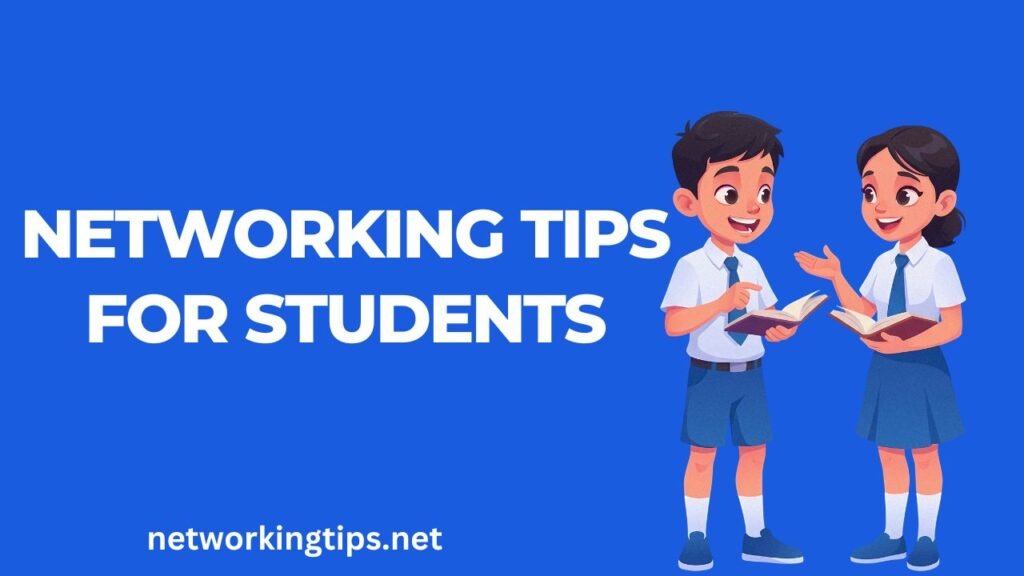
Networking is an important skill for students who want to explore career options, learn from experienced professionals, and prepare for life after graduation. You do not need years of work experience or an established career to start building professional relationships.
As a student, you already have opportunities to connect with classmates, professors, alumni, industry professionals, and people working in fields that interest you. These connections can help you discover career paths, gain practical knowledge, find mentors, and learn about internships or other opportunities.
The key is to approach networking with curiosity and a willingness to build genuine relationships. In this guide, you’ll learn practical networking tips for students, including how to meet professionals, start conversations, use LinkedIn, and maintain connections while studying.
What Is Networking for Students?
Student networking is the process of building relationships with people who can share professional knowledge, experiences, advice, and opportunities.
It can happen at university events, career fairs, workshops, internships, student organizations, online communities, and professional networking platforms.
Networking does not mean asking everyone for a job or trying to impress influential people. It means learning from others, showing genuine interest in their experiences, and staying connected when there is a reason to do so.
Why Is Networking Important for Students?
Building a professional network before graduation can help you understand the working world and make more informed career decisions.
1. Explore Different Career Paths
Talking to professionals can help you understand what different jobs actually involve. You may discover roles, industries, or career paths you had not previously considered.
2. Learn From Experienced People
Professionals can share practical insights that are difficult to learn from textbooks alone. Their experiences may help you understand industry expectations, useful skills, and common career challenges.
3. Discover Internships and Opportunities
Connections can help you learn about internships, entry-level positions, events, and projects. Networking does not guarantee opportunities, but it can help you become more informed and connected.
4. Develop Communication Skills
Introducing yourself, asking questions, and participating in professional conversations can improve your confidence and communication skills over time.
5. Build Relationships Before Graduation
Starting early gives you more time to develop genuine relationships instead of trying to build an entire professional network when you urgently need a job.
15 Networking Tips for Students
1. Start With People You Already Know
You do not need to begin by contacting strangers. Start with classmates, professors, former teachers, family acquaintances, and people you already know who have professional experience.
Tell them what subjects or career paths interest you and ask thoughtful questions. These conversations can help you identify other people or communities worth exploring.
2. Connect With University Alumni
Alumni can be valuable contacts because they have attended your institution and may understand the challenges students face when entering the workforce.
Look for alumni through university events, official alumni directories, professional associations, or LinkedIn. When reaching out, mention your shared educational background and explain why their career experience interests you.
3. Attend Career Fairs and Networking Events
Career fairs, industry meetups, workshops, and professional events allow you to meet people outside your usual social circle.
Before attending, review the event details and identify organizations or professionals you would like to learn about. Prepare a short introduction and a few questions so you feel more comfortable starting conversations.
For more event-specific advice, explore our Networking Event Tips guide.
4. Prepare a Short Introduction
You do not need an elaborate elevator pitch. Prepare two or three sentences explaining who you are, what you study, and what interests you.
For example:
“Hi, I’m Alex. I’m studying computer science and learning more about software development. I’m interested in hearing how professionals get started in the industry.”
Keep it natural, then give the other person a chance to introduce themselves.
5. Ask Questions Instead of Trying to Impress People
Students sometimes feel they need to prove themselves when speaking with experienced professionals. You can make a better impression by showing genuine curiosity.
Try questions such as:
- What do you enjoy most about your work?
- What skills are useful for someone entering this field?
- What would you recommend learning before graduation?
- How did you decide on your career path?
Listen carefully and ask relevant follow-up questions rather than treating the conversation like an interview.
6. Create a Professional LinkedIn Profile
LinkedIn can help students discover professionals, follow companies, connect with alumni, and learn about career opportunities.
Start with a clear profile photo, an accurate headline, a concise introduction, your education, relevant projects, experience, and skills. You do not need an extensive employment history to create a useful profile.
For more detailed advice, read our LinkedIn Networking Tips guide.
7. Personalize Your Connection Requests
When contacting someone on LinkedIn, explain briefly why you want to connect.
For example:
“Hi Sarah, I’m a university student interested in digital marketing. I came across your profile while learning about the industry and would appreciate the opportunity to connect.”
Avoid sending the same generic message to everyone. A relevant, respectful note makes your reason for reaching out clearer.
8. Join Student Organizations and Professional Associations
Clubs, student societies, academic groups, and professional associations can help you meet people with shared interests.
Choose organizations that align with your goals rather than joining too many groups at once. Participate in activities, contribute where you can, and build relationships with members over time.
9. Build Relationships With Professors and Instructors
Professors and instructors may have useful industry knowledge, research experience, professional contacts, or advice about further study.
Participate in class, ask thoughtful questions, attend office hours when appropriate, and show genuine interest in your subject. If you ask for guidance, be specific about what you want to learn.
10. Look for Internships and Volunteer Opportunities
Internships, volunteer projects, research work, and student-led initiatives can introduce you to professionals while helping you develop practical skills.
Focus on learning, contributing meaningfully, and building relationships with the people you work alongside. Even a small project can give you useful experience to discuss in future networking conversations.
11. Follow Industry Professionals and Their Work
Follow people and organizations related to your interests. Read their articles, watch their presentations, and learn about the issues they discuss.
When you have something relevant to say, participate thoughtfully in the conversation. Avoid generic comments that add little value.
12. Offer Help When You Can
Networking should not always be about what other people can do for you.
You might share a useful resource, help organize an event, contribute to a student project, or introduce two people with a shared interest. Small, genuine contributions can help build trust and stronger relationships.
13. Follow Up After Meeting Someone
If you have a useful conversation with a professional, send a brief message within a day or two when appropriate.
For example:
“Hi Michael, it was great meeting you at the university career event. I enjoyed hearing about your work in engineering. Thank you for sharing your advice, and I’d be happy to stay connected.”
Mention something specific from your conversation instead of sending a generic message to everyone.
14. Keep in Touch Without Asking for Favors Every Time
A professional relationship should not consist only of requests for help.
You can stay connected by sharing relevant updates, congratulating someone on an achievement, asking about a project you previously discussed, or occasionally sharing something useful.
You do not need to message everyone frequently. Focus on maintaining relevant relationships naturally.
15. Be Patient and Consistent
Building a network takes time. Some conversations may lead to useful relationships, while others may remain brief introductions.
Set realistic goals, such as attending one relevant event each month, connecting with a few professionals, or having one meaningful career conversation each week. Adjust the routine to fit your studies and schedule.
How to Network With Professionals When You Have No Experience
Lack of work experience does not mean you have nothing to discuss. You can talk about your studies, projects, interests, skills you are developing, or industries you want to understand better.
Use these approaches:
- Be honest about being a student.
- Explain what you are interested in learning.
- Ask about the person’s career journey.
- Discuss relevant academic or personal projects.
- Research the person or company before reaching out.
- Respect their time and avoid demanding immediate assistance.
You are not expected to know everything. Showing curiosity, preparation, and a willingness to learn can make a conversation worthwhile.
How to Start a Networking Conversation as a Student
Starting a conversation is often the hardest part, but it does not need to be complicated.
At an event, you could say:
“Hi, I’m Alex. I’m studying business and exploring different career paths. What brings you to this event?”
On LinkedIn, you could write:
“Hi Jordan, I’m a student interested in data analytics. I found your career path interesting and would love to connect and learn more about the field.”
After an introduction, focus on listening and asking questions. You do not need to request a job, referral, or mentorship during the first interaction.
For more examples, explore our Networking Conversation Tips guide.
How to Network as an Introverted Student
You do not have to be the most outgoing person at university to build a professional network.
If large events feel uncomfortable, try smaller group discussions, one-on-one conversations, online communities, or scheduled conversations with alumni. Prepare a few questions beforehand and give yourself permission to take breaks.
You can also begin by commenting thoughtfully on relevant LinkedIn posts before reaching out directly.
For more strategies, read our Networking Tips for Introverts guide.
Common Networking Mistakes Students Should Avoid
Asking for a Job Immediately
A first conversation is usually better spent learning about the person and their work. Ask about opportunities only when it is relevant and appropriate.
Sending Generic Messages
Personalize your outreach so the recipient understands why you are contacting them.
Pretending to Have Experience You Do Not Have
Be honest about your skills, education, and goals. You can discuss projects and interests without exaggerating your background.
Focusing Only on Influential People
Classmates, alumni, junior professionals, and people in different roles can all become valuable connections.
Forgetting to Follow Up
If you had a meaningful conversation, a short and thoughtful follow-up can help keep the relationship going.
Networking Only When You Need Something
Build relationships throughout your studies rather than contacting people only when you need a referral or job.
A Simple Networking Plan for Students
If you are unsure where to begin, follow this practical plan:
This week
- Update your LinkedIn profile.
- Identify three people whose careers interest you.
- Prepare a short introduction.
- Reach out to one relevant contact.
This month
- Attend a career event, workshop, or professional meetup.
- Connect with a few alumni or professionals.
- Participate in a relevant student or industry community.
- Follow up with people you have met.
Throughout the semester
- Continue developing useful skills.
- Maintain relationships naturally.
- Explore internships, projects, and volunteer opportunities.
- Review your goals and adjust your approach.
The aim is to develop a manageable habit, not to turn networking into another source of pressure.
Frequently Asked Questions
When should students start networking?
Students can start as soon as they begin exploring their interests and potential career paths. There is no need to wait until graduation or until they have professional experience.
How can students network without experience?
Start with classmates, professors, alumni, student organizations, and professionals in fields of interest. Discuss your studies, projects, and learning goals honestly, and ask thoughtful questions.
Is LinkedIn useful for college students?
Yes. LinkedIn can help students research careers, connect with alumni, follow organizations, discover events, and maintain professional relationships.
How often should students network?
There is no fixed requirement. A few meaningful conversations each month, combined with occasional events and consistent follow-up, can be a realistic starting point.
Should students ask professionals to be mentors?
It is usually better to begin by building a genuine connection and asking a specific, manageable question. If a relationship develops naturally, a mentoring conversation may become appropriate.
Can networking help students find internships?
Networking can help students learn about industries, discover opportunities, and meet people who may share useful advice. However, it does not guarantee an internship or job.
Final Takeaway
Networking as a student is about learning, building relationships, and exploring possibilities before you enter the workforce. You do not need an impressive résumé or an extensive contact list to get started.
Begin with people you know, connect with alumni, attend relevant events, ask thoughtful questions, and follow up when you have a meaningful conversation. Over time, these small steps can help you build a professional network that supports your career development.
For broader strategies, explore our Professional Networking Tips and Networking Tips guides.